
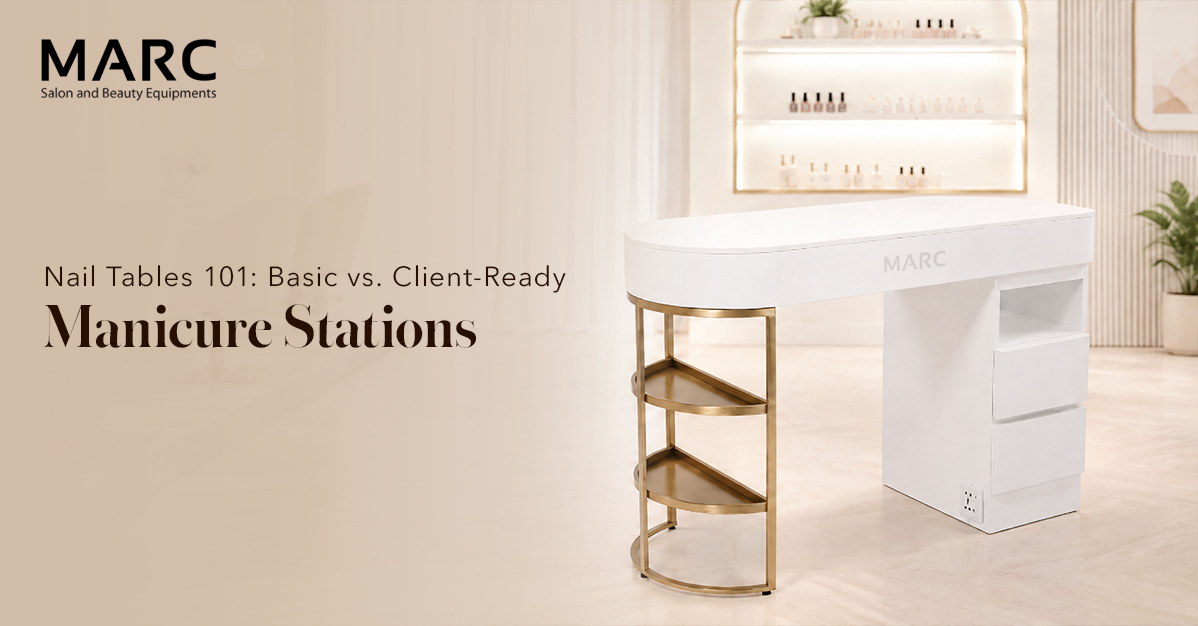
A manicure service involves more than skilled technicians and quality products. The workstation itself plays an important role in maintaining an organised workflow, supporting client comfort, and presenting a professional image. For salon owners, selecting the right nail table is therefore a practical business decision rather than simply an interior-design choice.
A basic table may provide a flat working surface, but a client-ready manicure station needs to support the complete service process. Its size, layout, storage, stability, finish, and compatibility with the salon environment can influence how efficiently technicians work and how comfortable clients feel.
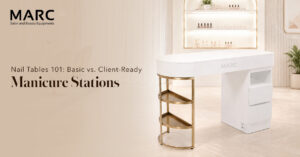
MARC Salon Furniture offers dedicated nail tables, including the Lilly Nail Table and Tulip Nail Table, as part of its salon furniture range. Businesses can assess these options according to their available space, service requirements, and interior planning needs.
What Is a Basic Nail Table?
A basic nail table primarily provides a surface where a technician can perform manicure services. While this may appear sufficient, a professional salon needs to consider several additional factors. A workstation should provide enough room for the client’s hands and the technician’s tools without creating unnecessary clutter. Its construction should also be stable enough for regular commercial use. A basic table may work for occasional or limited use, but a dedicated manicure workstation is generally better suited to businesses where nail services are performed regularly.
What Makes a Manicure Station Client-Ready?
A client-ready manicure station combines practical design with the needs of both the technician and customer.
Important considerations include:
- Suitable working height
- Adequate surface area
- Stable construction
- Easy-to-maintain materials
- Efficient organisation
- Comfortable positioning
- Compatibility with surrounding furniture
- Appropriate overall dimensions
The objective is to create a workstation that supports smooth service delivery without compromising the appearance of the salon.
1. Appropriate Working Height
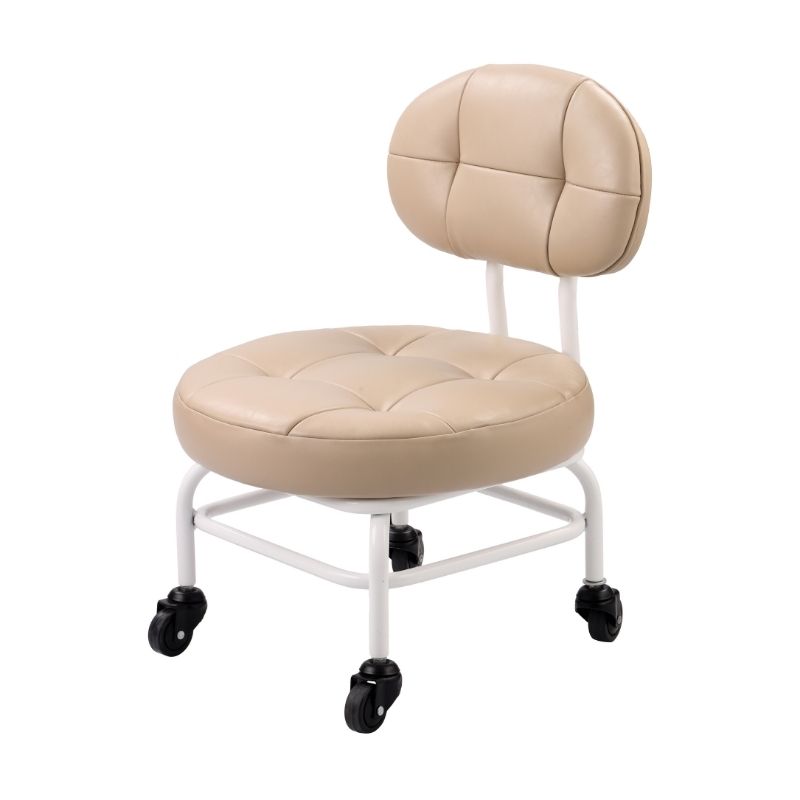
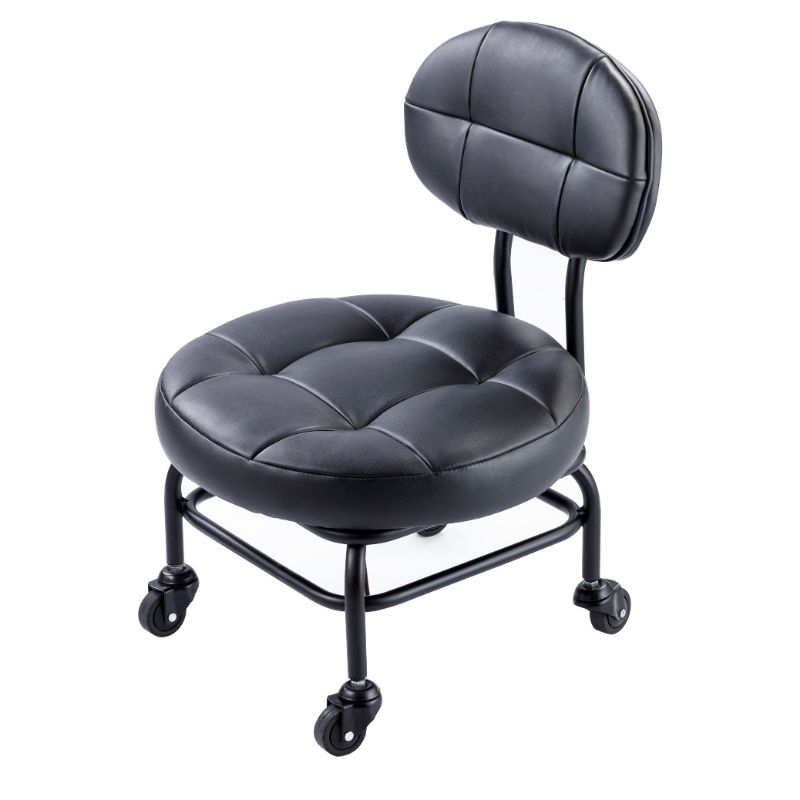
The height of a nail table directly affects technician posture. If the table is too low or too high, technicians may need to bend or raise their shoulders repeatedly during services. Over time, this can contribute to physical discomfort. A professionally selected table should provide a practical working height for the type of manicure services offered. The surrounding seating should also complement the table so that both client and technician can maintain comfortable positions.
2. Adequate Working Surface
A manicure station needs enough surface area for the service without becoming unnecessarily large. The technician may need space for manicure tools, products, accessories, and other service essentials. At the same time, excessive surface area can consume valuable floor space. Salon owners should therefore measure the available area before purchasing. The table should fit comfortably while leaving sufficient room for staff movement and client access.
3. Stability Matters
A manicure table should remain stable during regular use. Unnecessary movement can affect precision during detailed nail work and may reduce the professional quality of the service. A sturdy structure provides a more dependable foundation for technicians. For commercial salons, stability is particularly important because furniture may experience repeated use throughout the working day.
4. Easy Maintenance and Cleaning
Manicure services involve products that can leave marks on working surfaces. Nail-care products, dust, creams, and other materials can accumulate during daily operations. A practical workstation should therefore be easy to clean and maintain. Smooth, appropriately finished surfaces can make routine cleaning easier. Businesses should also follow the manufacturer’s care recommendations to protect the furniture’s finish and prolong its service life.
5. Organisation Improves Workflow
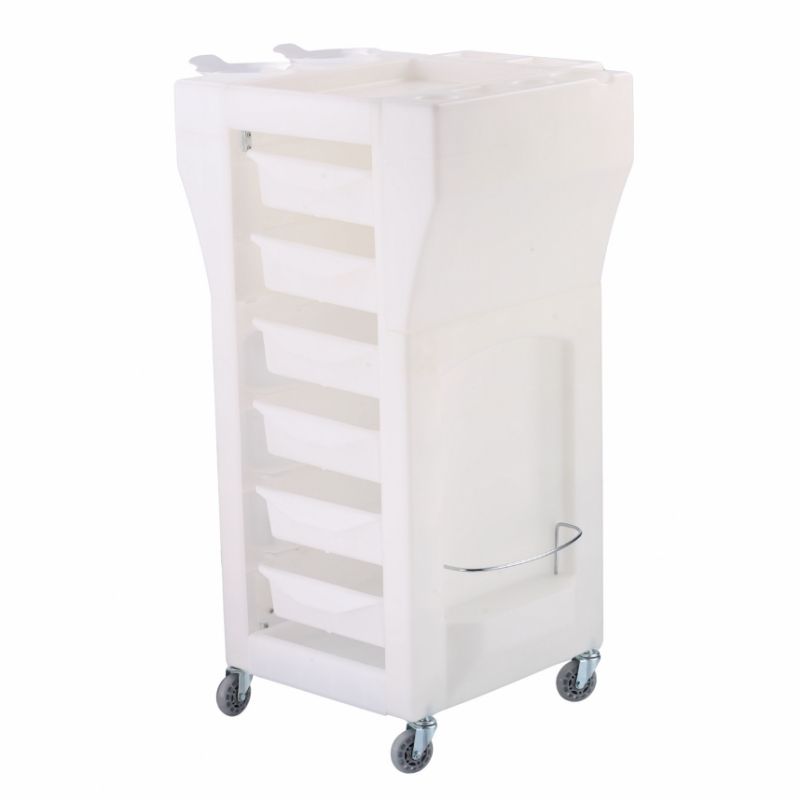
A good workstation should contribute to an organised service area. When frequently used items are arranged logically, technicians can spend less time searching for products or moving unnecessarily around the salon. Efficient organisation can also reduce clutter around the client. The table itself is only one part of this arrangement. Surrounding trolleys, stools, storage solutions, and other salon furniture should be positioned according to the workflow.
6. Client Comfort Should Be Considered
Although the technician performs the service, the client remains at the centre of the experience. A manicure appointment may require the client to keep their hands in one position for an extended period. The table should therefore be positioned with suitable seating and sufficient legroom. A comfortable environment can make longer services more pleasant and contribute to a professional customer experience.
Create a Professional Manicure Environment with MARC Salon Furniture
MARC Salon Furniture provides salon furniture solutions designed around the requirements of modern beauty and wellness businesses. Its range includes dedicated nail tables such as the Lilly Nail Table and Tulip Nail Table, along with pedicure and manicure furniture, salon chairs, shampoo stations, spa furniture, mirrors, and accessories. Selected products may offer customisation options based on their individual specifications. Businesses can evaluate furniture according to space, service requirements, workflow, durability, and interior aesthetics.
A well-planned manicure area, supported by appropriate furniture and salon mirror design, can contribute to a more organised and professional salon environment. MARC Salon Furniture helps businesses source complementary solutions for different service areas while maintaining a practical approach to commercial salon furnishing.
Frequently Asked Questions
1. What makes a nail table suitable for professional salons?
A suitable nail table should offer stability, adequate working space, practical height, easy maintenance, and compatibility with the salon’s service workflow.
2. Why is the height of a manicure table important?
Correct table height supports better technician posture and allows clients to position their hands comfortably throughout the manicure service.
3. How should salons choose nail table size?
Choose dimensions according to available floor space, technician movement, client access, required working surface, and surrounding furniture placement.
4. How can manicure stations improve salon workflow?
Well-planned manicure stations organise service areas, keep essential items accessible, reduce unnecessary movement, and provide technicians with a dedicated workspace.
5. Should manicure and pedicure furniture match?
Matching furniture can create visual consistency, but each service area should still use furniture designed specifically for its functional requirements.
6. What should businesses consider when buying salon furniture?
Businesses should assess durability, ergonomics, dimensions, maintenance, aesthetics, service requirements, available space, and long-term operational value.